Category AI

AI’s Big (Depreciation) Bet

Most of the Mag 7 tech giants are using an extended 5-to-6-year depreciation schedule for their massive GPU investments. Since GPUs typically have a 3-year useful life, this practice artificially inflates current earnings by reducing the reported expense. If these chips rapidly become obsolete, investors paying high multiples must question the impact on future Free Cash Flow and margins when the true depreciation expense inevitably hits. Investors are optimistic that will show very strong returns (and soon) on their half-trillion-dollar bet.
Market Correction Chorus Grows

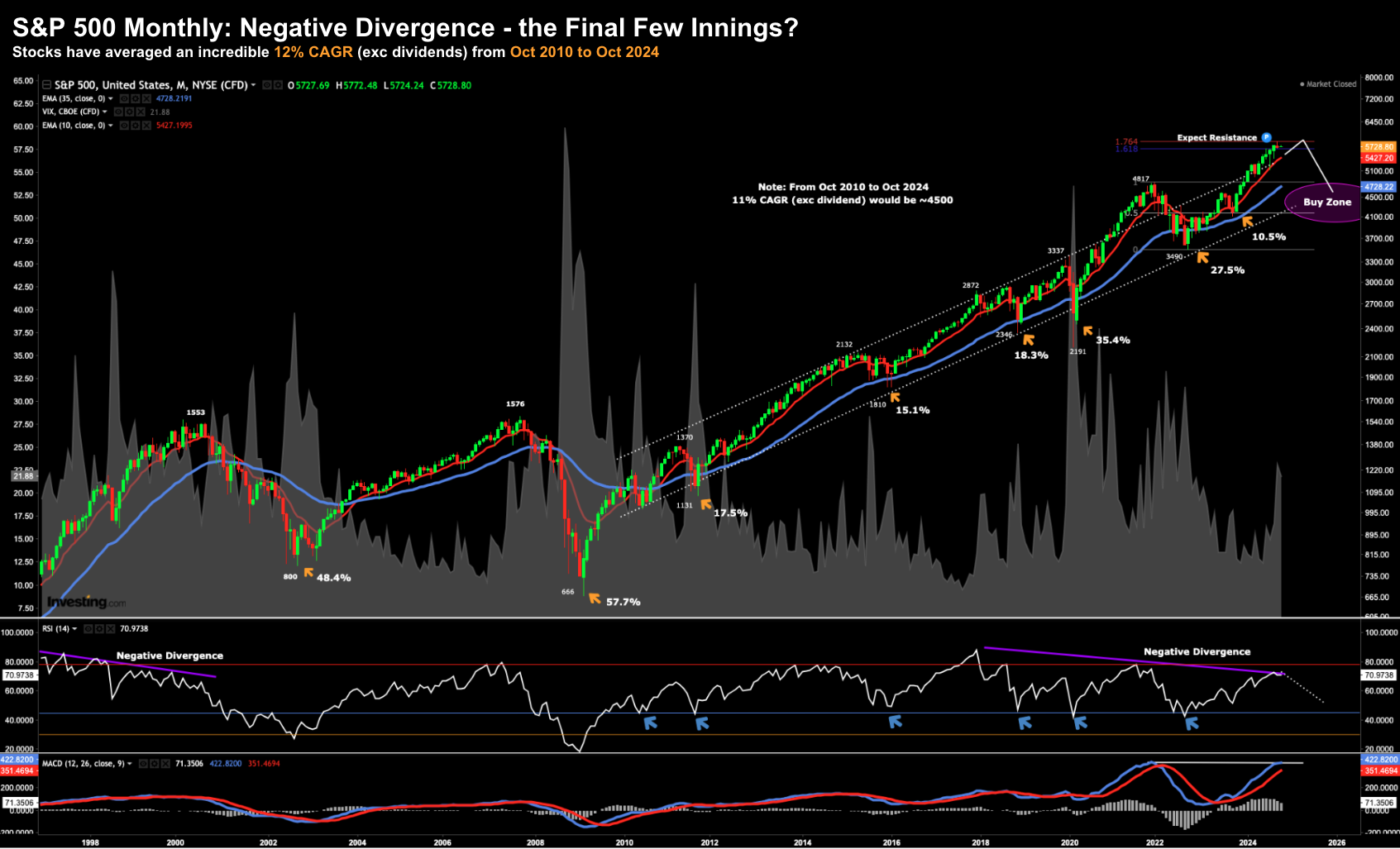
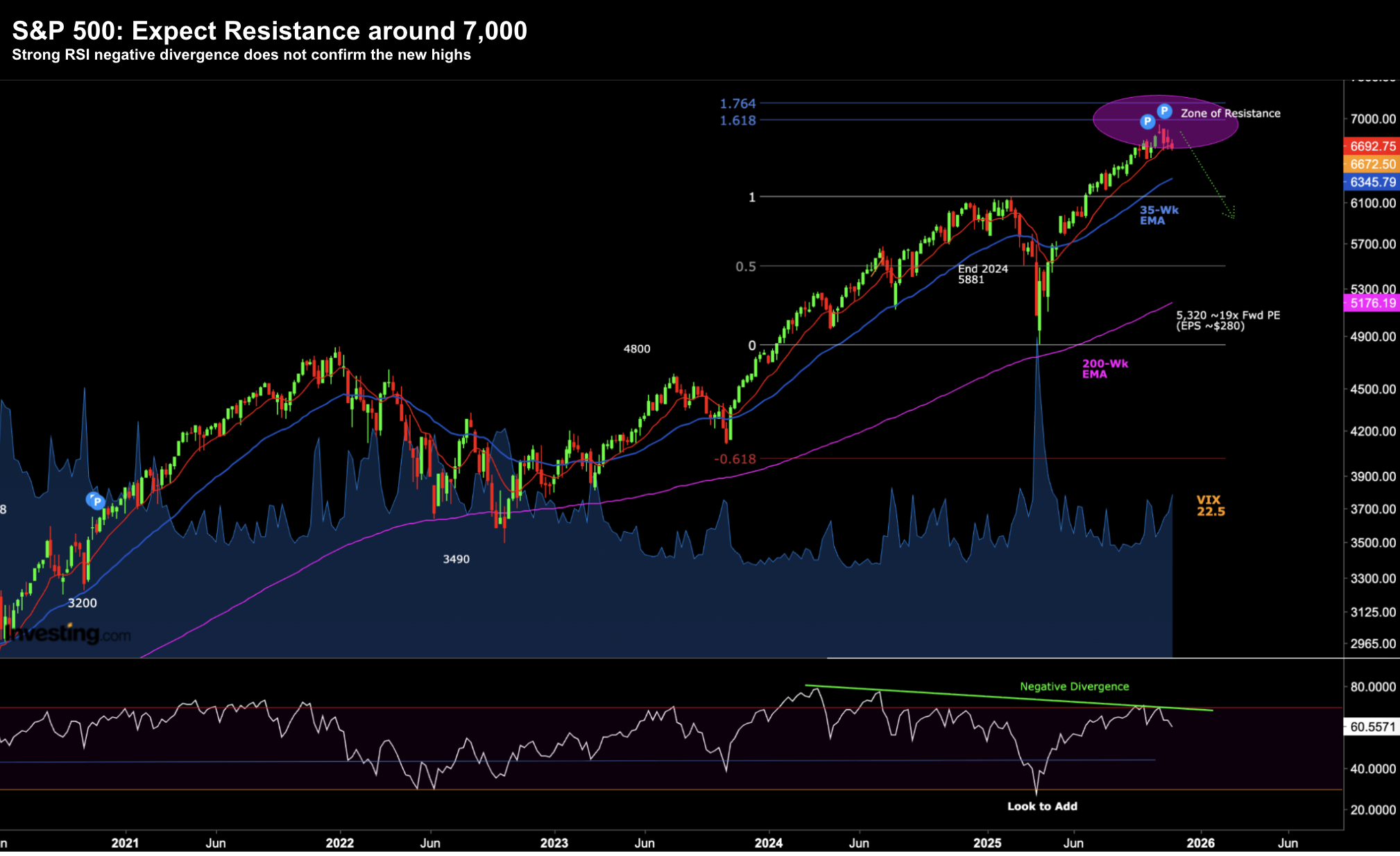
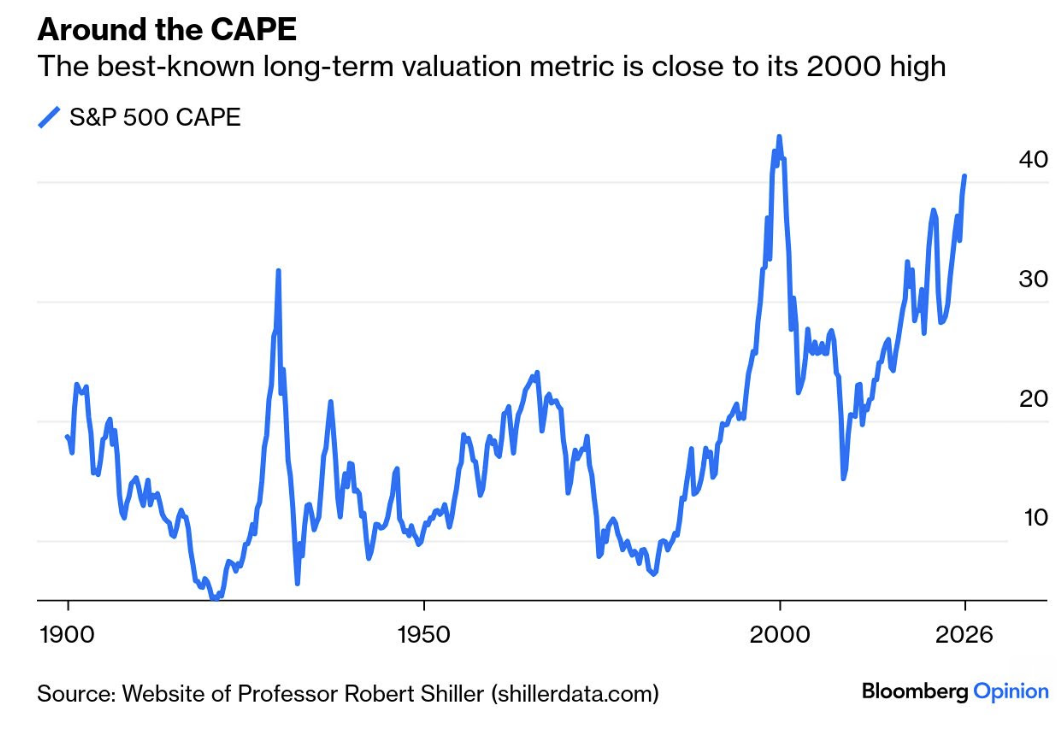
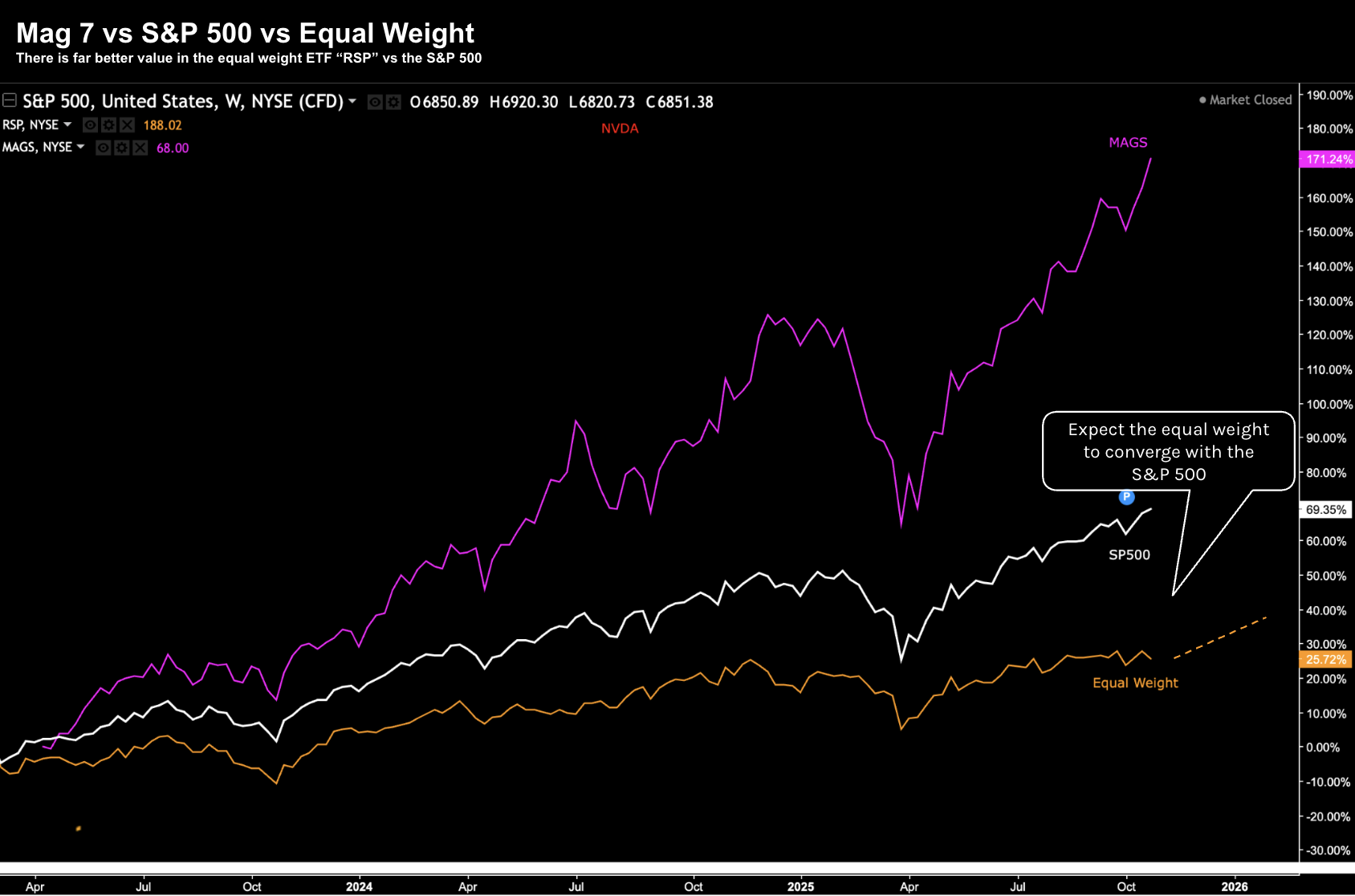
Goldman Sachs are warning of a 10-20% correction within the next 12-24 months. And whilst saying this would be a healthy outcome - it aligns with stretched valuations seen only during the dot-com bubble, according to the Shiller CAPE Ratio. The market's risk is concentrated: returns are currently driven by a handful of mega-cap tech stocks. As Michael Burry's short of Palantir highlights, the issue isn't business quality, but the extended prices being paid. From mine, better opportunities exist outside the Mag 7.

Why You Should Avoid Paying Too Much

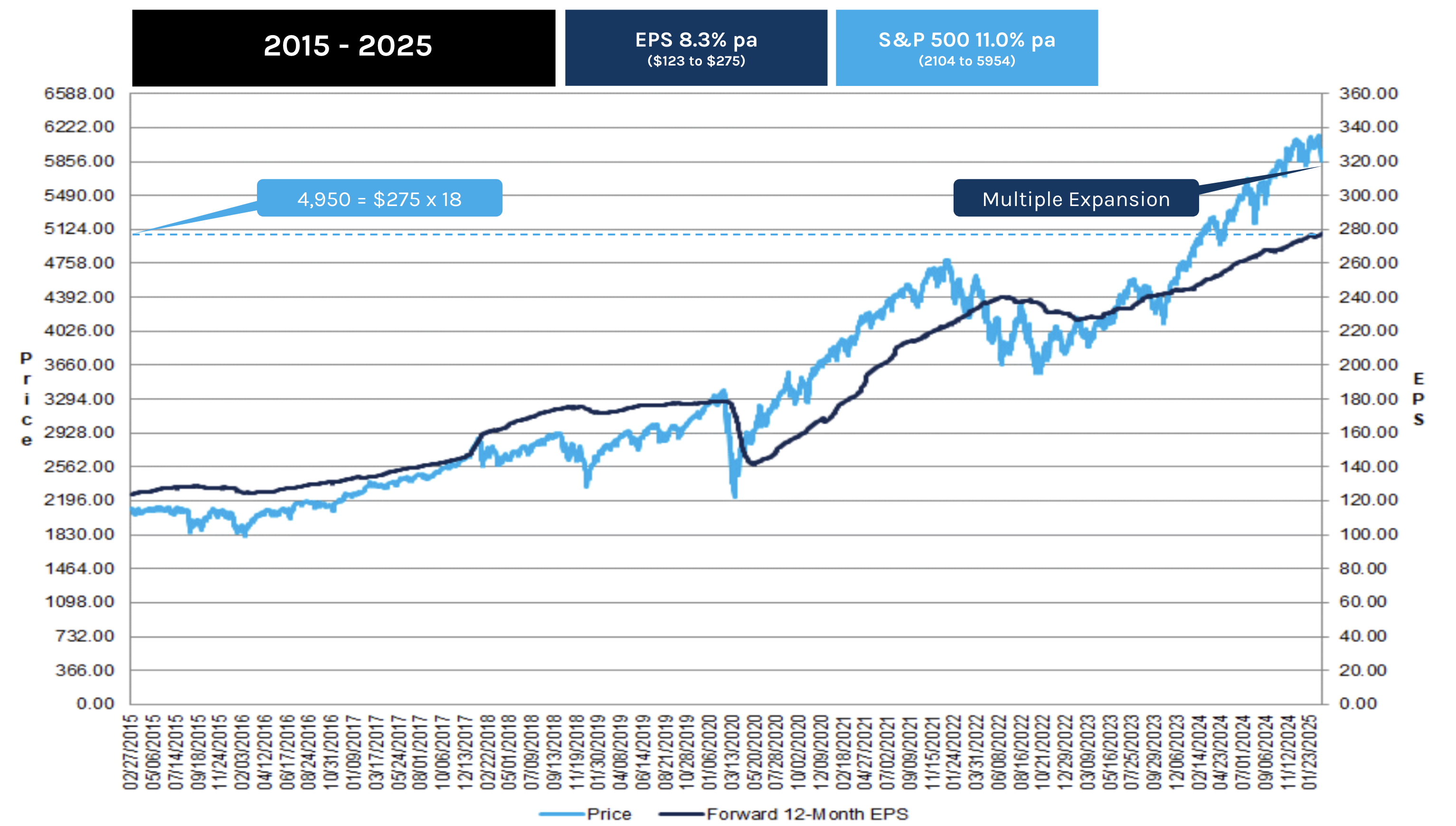
It’s very tempting to chase AI and "Mag 7" gains, but your long-term returns are ultimately determined by the price you pay. With the S&P 500 trading near 25x forward earnings and the Shiller CAPE ratio flashing warnings similar to the 2000 dot-com bubble, the market is lofty territory. History is clear: investing at such elevated valuations drastically lowers subsequent 5 and 25-year returns. While FOMO is powerful, be cautious. As a long-term investor, focus on the risk of what you could lose, not just what you might miss

Gold: Has it Gone Too Far?

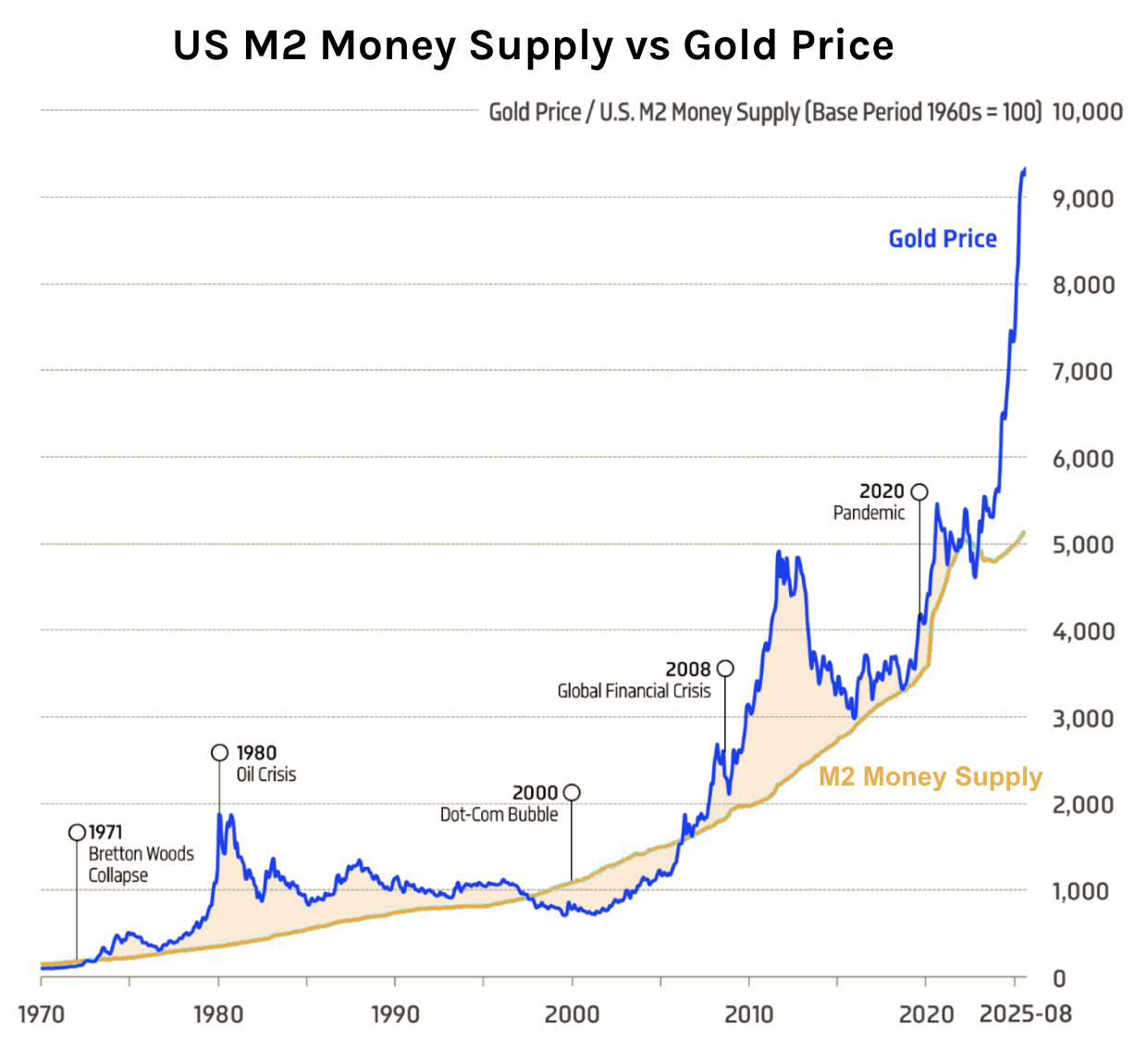
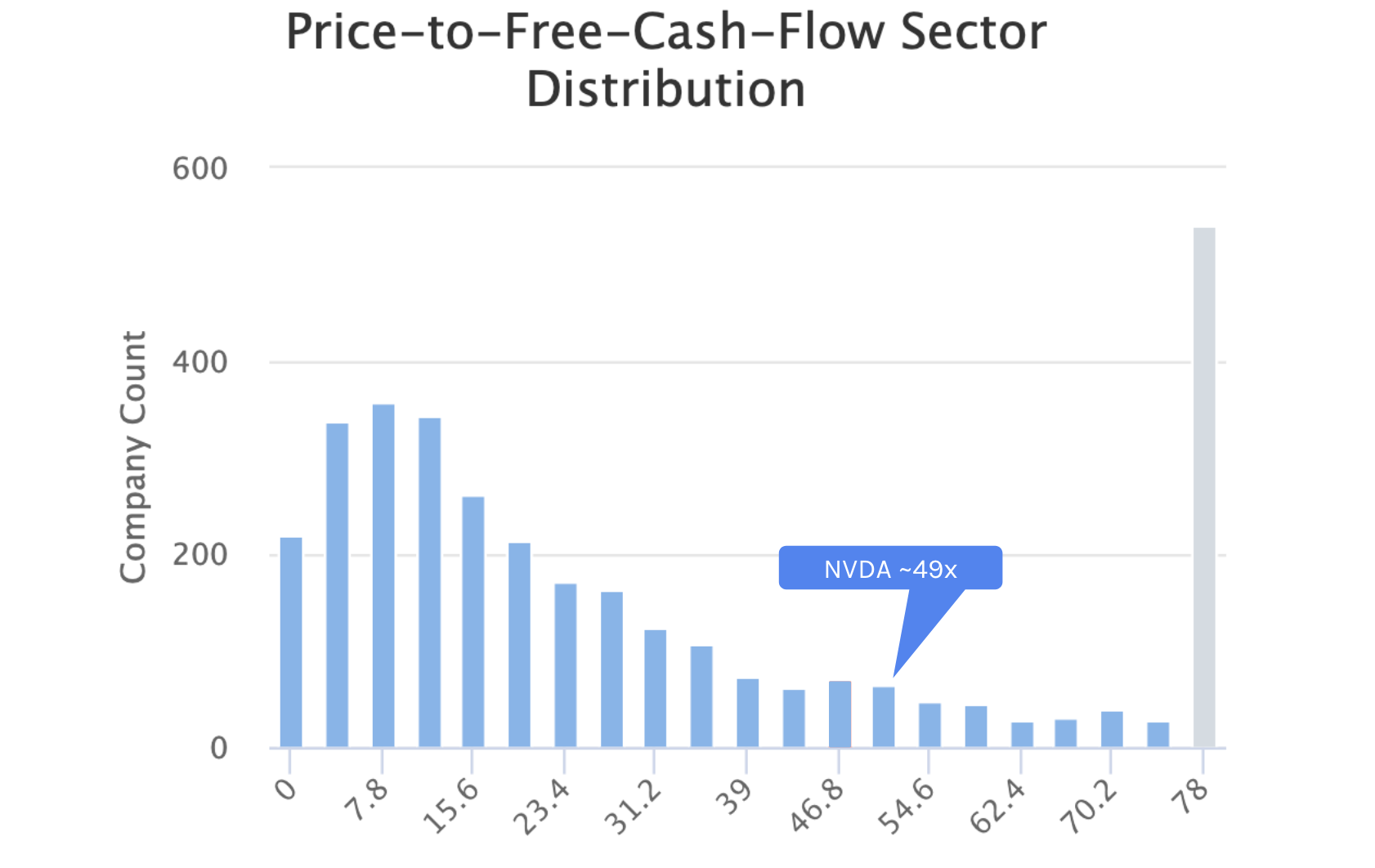
While the S&P 500 trades at a rich 24x forward earnings, its gains are heavily concentrated in the 'Mag 7,' whose towering Price-to-Free Cash Flow multiples (eg AMZN’s 174.4x) suggest a market dangerously "priced to perfection." But a deeper unease is driving gold. Up over 50% this year, its rally resembles the 2011 credit downgrade panic, fueled by fears of currency debasement and US fiscal recklessness, despite moderate 3% inflation. With gold’s recent 8.5% plunge hinting at volatility, investors may be wise to trim those spectacular gains, while the Mag 7 face an extremely high earnings bar

Are We in an AI Bubble? 

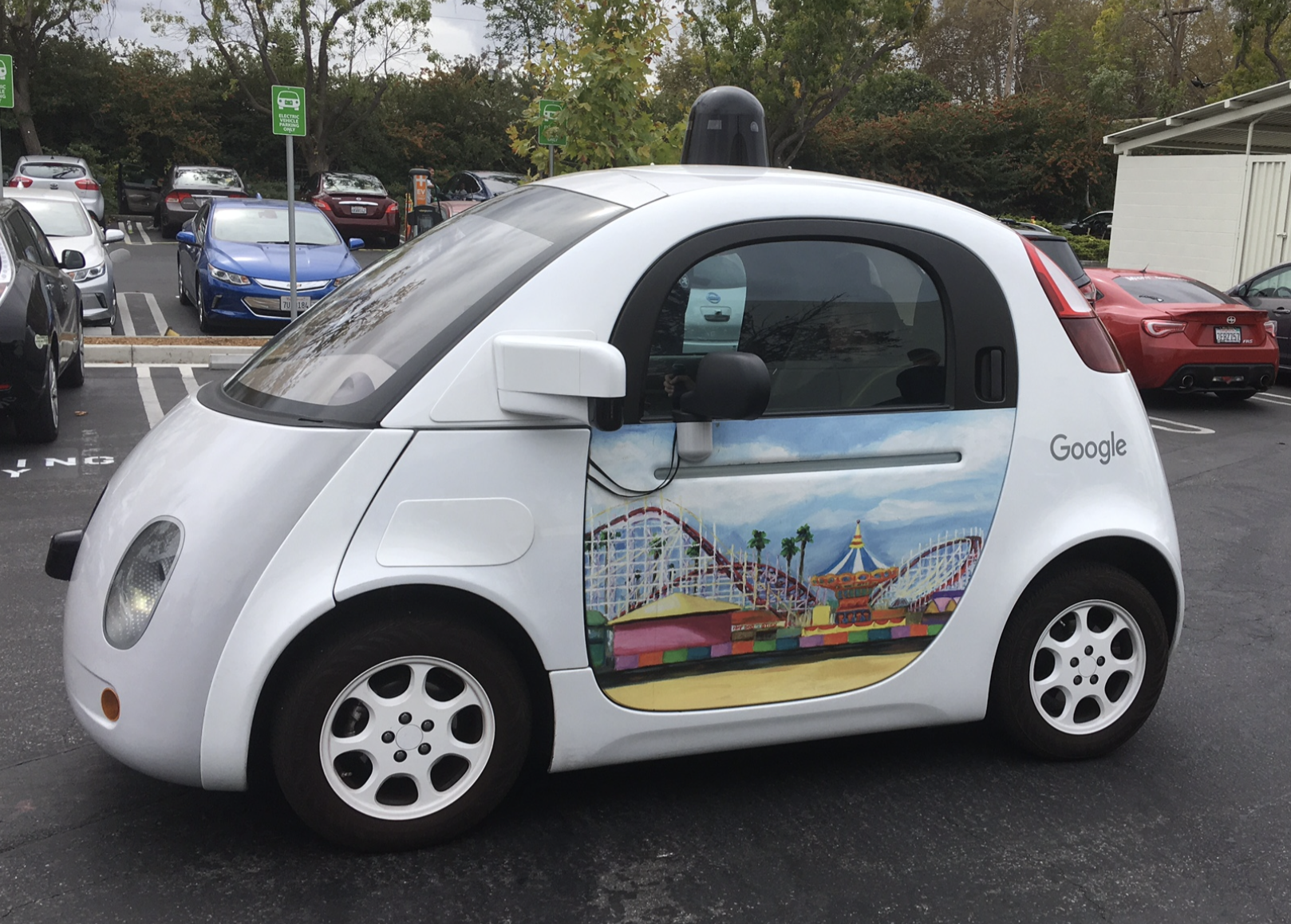
Investor enthusiasm for AI is reminiscent of the Internet boom circa 1995. Having worked at Google, I've seen AI's profound impact firsthand, from computer vision to self-driving Waymo vehicles that have achieved 10M rides. But as an investor, the focus must shift to economics: business models, monetization, and valuation. Billionaires like David Einhorn are sounding the alarm: spending hundreds of billions on AI infrastructure may lead to massive capital destruction if CapEx vastly exceeds consumption. History shows that while the technology transforms society, an oversupply creates painful market corrections. The question isn't if AI is the future—it's what price you pay for it.

Large Cap Tech: Cautious on Guidance

When Charlie Munger was asked the secret to his success - he answered “I’m rational.” Rational is not paying "33x forward earnings" for a company like Apple or Microsoft - despite their quality. Rational is also not selling the S&P 500 when it plunges to trade at just 16x forward earnings - because you are worried about a possible recession. Rational is adding exposure to high quality assets when they are at or below their long-term mean. And the more below the mean they trade - the stronger your (long-term) conviction should be.

Nvidia is Cheaper… But Not Cheap

Nvidia's latest quarterly numbers were very impressive - producing 78% sales growth. They dominate the market for AI chips. A small nitpick could be the three point decline in gross margins (but that's expected). Let's not forget - those gross margins are still 73%. No-one else comes close in the semiconductor industry. So why would the stock tank 8.5%? Simple: expectations. The market knew that Nvidia was going to grow at revenue at least 70%+ where gross margins would be north of 70%. But growth is slowing (as they get bigger) and margins are declining (as competition starts to ramp up)

Investor’s (Valid) Capex Concerns w/AI

Large-cap tech's planned capex for 2025 is worrying investors. What will be the return on that capital? Never before have these companies made such large bets. Before DeepSeek, it was assumed the tech giants - with their deep pockets and almost limitless resources - would enjoy a wide moat in the AI arena. And from there, that justified the high valuation multiples. Not now. DeepSeek’s arrival challenges those long held assumptions (and valuations).

Investors Starting to Question AI’s ROIC

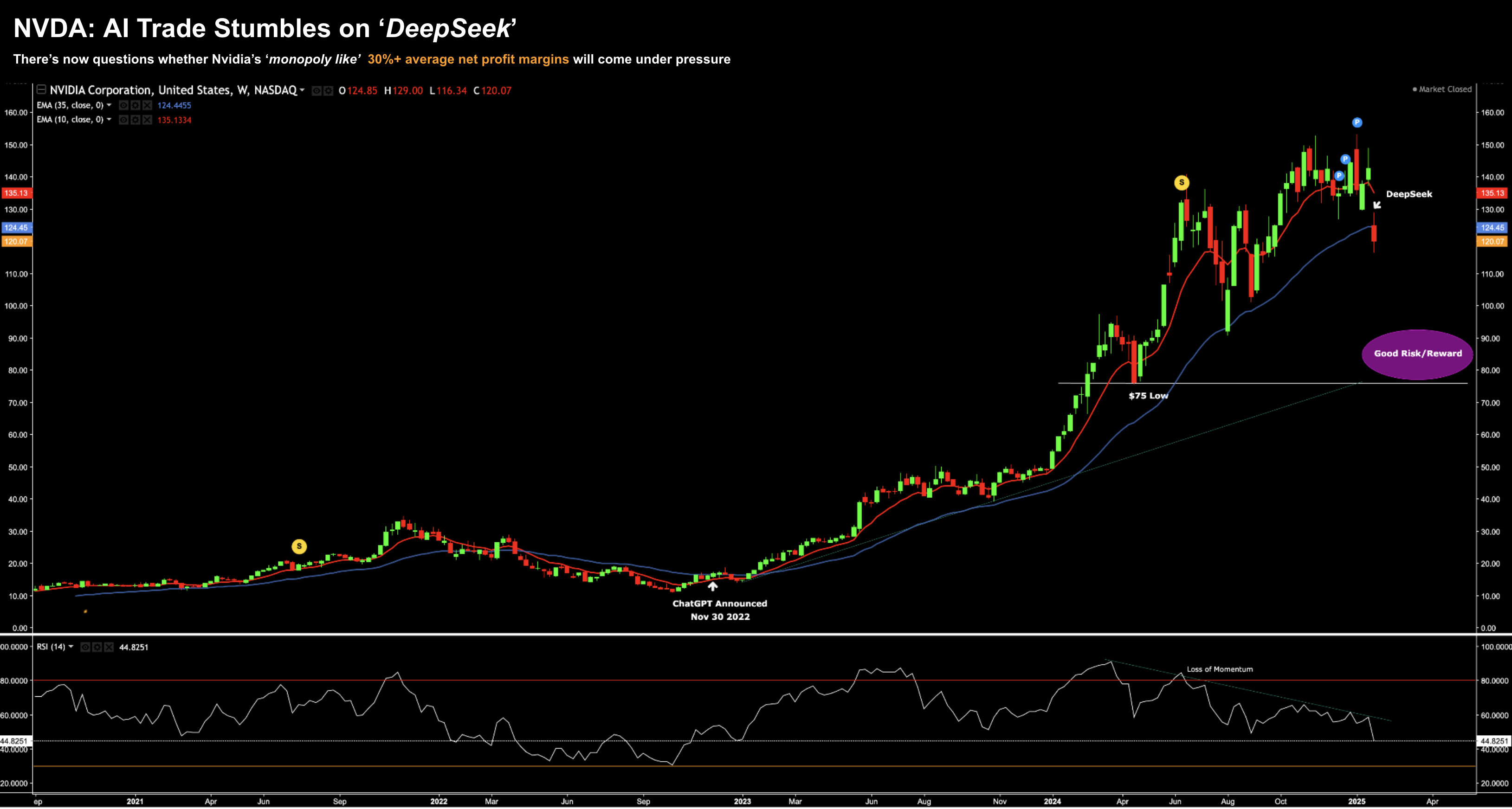
AI investors were caught off guard this week on news of China's ChapGPT rival "DeepSeek". It's alleged DeepSeek was developed far more cost-effectively (millions vs billions) than OpenAI's ChatGPT (and similar large language models). If true (and we don't know) - this raises questions about the sustainability of current U.S. AI infrastructure investments - forecast to top $1 Trillion next year. All of a sudden - valuations for these AI stocks are being questioned.

Stocks Pause on ‘Less than Magnificent’ Earnings

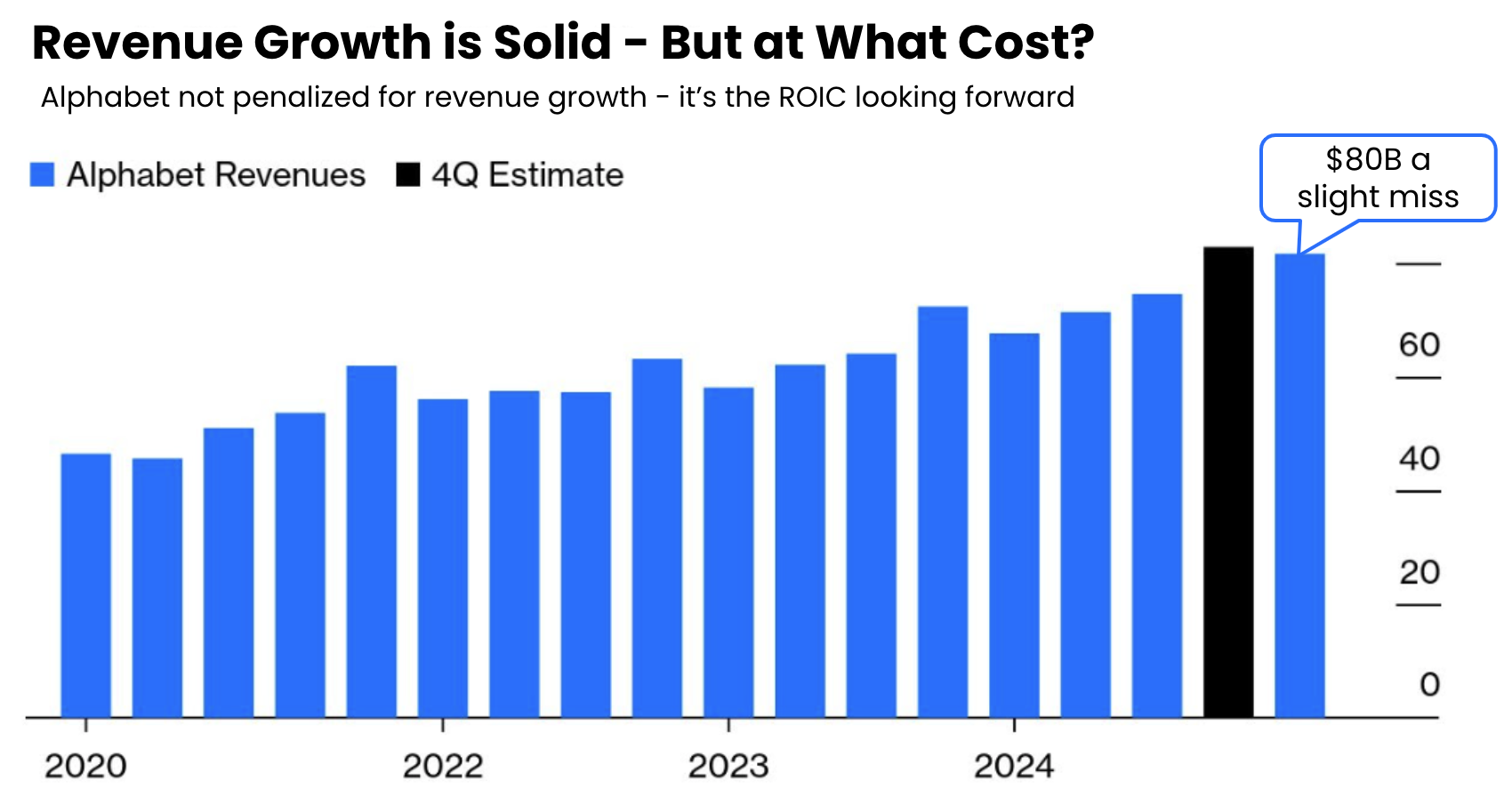
October - synonymous for delivering market jolts - passed with barely a whimper. However, it was the market's first negative month since April. Are stocks losing their mojo? In short, large cap tech earnings from five of the 'Mag 7' were less than magnificent. Meta, Apple and Microsoft all dropped post earnings. Google managed a small 5% rise initially - but gave it all back. Amazon managed hold gains of ~3%. This post talk to what the market expects from the nearly $1 Trillion in AI capex... and how their patience could be starting to wane...